Baby Care Guide ↗

Evidence-based. References guidelines from ACOG, CDC, and WHO.
Informational only, not medical advice. Always consult your OB/GYN or healthcare provider.
The first trimester is one of the most critical periods of your pregnancy. Between weeks 1 and 12, your baby’s organs, brain, and heart all begin forming — and there’s a lot you can do to support that development. According to the CDC, early prenatal care in the first trimester significantly reduces the risk of pregnancy complications. For a deeper look at everything happening during these 12 weeks, see our complete first trimester guide.
📌 Key Takeaway: The first trimester covers weeks 1–12, during which all major organs begin forming. Starting prenatal vitamins, scheduling your first doctor visit, and knowing which foods to avoid are the three most impactful steps you can take right now.

Weeks 1–4: The Earliest Days
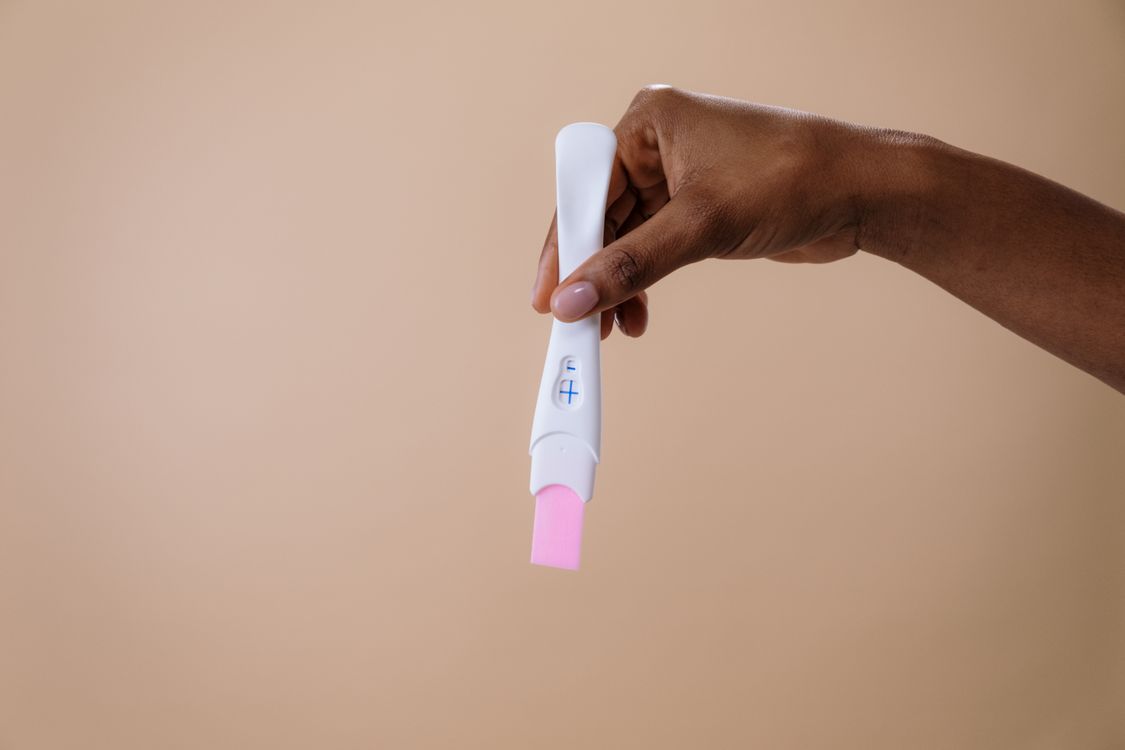
Most women don’t know they’re pregnant during the first two weeks — that’s because pregnancy is dated from your last menstrual period (LMP), not from conception. By week 4, a home pregnancy test can usually detect hCG.
Take a Pregnancy Test
Once your period is late, a home pregnancy test is about 99% accurate. Test with first-morning urine for the most reliable result. If the line is faint, test again in 2–3 days — hCG levels double roughly every 48 hours.
Start Prenatal Vitamins
If you haven’t already, start a prenatal vitamin with at least 400 mcg of folic acid. See our best prenatal vitamins guide for detailed recommendations. The CDC recommends folic acid supplementation starting at least one month before conception to reduce neural tube defects by up to 70%.
💡 Tip: Look for prenatal vitamins that also include iron (27 mg), DHA (200 mg), and vitamin D (600 IU). If regular pills cause nausea, try gummy or liquid versions.

Weeks 5–8: Your Body Is Changing
This is when most women start feeling pregnancy symptoms — morning sickness, extreme fatigue, and breast tenderness are the big three.
Schedule Your First Prenatal Appointment
Most providers schedule the first visit between weeks 8 and 10. This appointment typically includes a full health history review, blood tests (blood type, Rh factor, CBC, STI screening), urine test, blood pressure check, and possibly your first ultrasound.
Use our Due Date Calculator to estimate your due date before your appointment.
Know What to Avoid
During the first trimester, certain foods and substances pose risks:
| Category | Avoid | Why |
|---|---|---|
| Fish | High-mercury fish (shark, swordfish, king mackerel) | Mercury affects fetal brain development |
| Meat | Raw or undercooked meat | Risk of toxoplasmosis |
| Dairy | Unpasteurized milk and soft cheeses | Risk of listeria |
| Drinks | Alcohol (any amount) | No safe level during pregnancy |
| Medications | Check with your doctor before taking anything | Many OTC drugs are not pregnancy-safe — see our pregnancy safe medications guide |
⚠️ Important: If you take prescription medication, do NOT stop without consulting your doctor first. Abruptly stopping some medications can be more dangerous than continuing them under medical supervision.

Weeks 9–12: Major Milestones
By the end of week 12, your baby has all major organs, can open and close fingers, and is about the size of a plum.
Consider Genetic Screening
Between weeks 10 and 13, you’ll be offered first-trimester screening options:
- ✅ NIPT (Non-Invasive Prenatal Testing): A blood test that screens for chromosomal conditions (Down syndrome, trisomy 18, trisomy 13). Available as early as week 10.
- ✅ NT Scan (Nuchal Translucency): An ultrasound measuring fluid behind baby’s neck, combined with a blood test. Usually done at weeks 11–13.
- ✅ CVS (Chorionic Villus Sampling): A diagnostic test (not screening) if earlier tests indicate higher risk. Performed at weeks 10–13.
Tell Your Employer (When Ready)
There’s no legal requirement for when you must disclose your pregnancy, but many women choose to tell their employer after the first trimester when miscarriage risk drops significantly. The ACOG notes that miscarriage risk falls below 5% after a heartbeat is confirmed at 8 weeks.
📊 Key Data: According to ACOG, the risk of miscarriage drops to approximately 3–5% once a heartbeat is confirmed on ultrasound — typically around weeks 7–8.
Your Complete First Trimester Checklist
Here’s everything in one place:
- ✅ Take a home pregnancy test
- ✅ Start prenatal vitamins (400+ mcg folic acid)
- ✅ Schedule your first prenatal appointment (weeks 8–10)
- ✅ Review your medications with your doctor
- ✅ Eliminate alcohol, smoking, and recreational drugs
- ✅ Reduce caffeine to under 200 mg/day
- ✅ Learn which foods to avoid
- ✅ Get your first blood work done
- ✅ Discuss genetic screening options
- ✅ Get the NT scan or NIPT (weeks 10–13)
- ✅ Start tracking symptoms with our Week-by-Week Tracker
- ✅ Research maternity leave policies
- ✅ Decide when to share the news
FAQ
When should I go to the doctor for the first time during pregnancy?
Most healthcare providers schedule your first prenatal visit between 8 and 10 weeks. Call your doctor as soon as you get a positive pregnancy test to schedule the appointment — popular practices may book several weeks out.
Can I exercise during the first trimester?
Yes, in most cases. ACOG recommends 150 minutes of moderate exercise per week throughout pregnancy. Walking, swimming, and prenatal yoga are all excellent choices. Avoid contact sports and activities with a high risk of falling.
What prenatal vitamins should I take?
Look for a prenatal vitamin with at least 400 mcg of folic acid, 27 mg of iron, 200 mg of DHA, and 600 IU of vitamin D. If you have trouble keeping pills down, ask your doctor about gummy or liquid alternatives.
💡 Related Resources: After baby arrives, visit our sister site baby.chparenting.com for newborn care, sleep training, feeding guides, and developmental milestones.
References
- Centers for Disease Control and Prevention (2025). “Folic Acid: Birth Defects Prevention.” cdc.gov
- American College of Obstetricians and Gynecologists. “Nutrition During Pregnancy.” acog.org
- Mayo Clinic (2026). “First Trimester Pregnancy: What to Expect.” mayoclinic.org
- March of Dimes. “Prenatal Care Checkups.” marchofdimes.org

Written by
Vega LinFounder & Editor — Mother of 2 (Taiwan)
Vega writes Pregnancy Guide from the intersection of evidence-based research (ACOG, CDC, WHO) and her own experience as a mother of two. Holds a Master's in Digital Innovation from Tunghai University. Read more →
Related articles