Baby Care Guide ↗

Evidence-based. References guidelines from ACOG, CDC, and WHO.
Informational only, not medical advice. Always consult your OB/GYN or healthcare provider.
What you eat during pregnancy directly affects your baby’s growth and development. While most foods are perfectly safe, certain items carry bacteria, parasites, or toxins that can cause serious complications — including miscarriage, preterm birth, and developmental harm. This guide covers every food and beverage to avoid (or limit), why they’re risky, and what safe alternatives you can enjoy instead.
📌 Key Takeaway: The main food risks during pregnancy are Listeria (from deli meats, soft cheeses, and unpasteurized products), mercury (from certain fish), Toxoplasma (from undercooked meat), and Salmonella (from raw eggs). When in doubt, cook it thoroughly, skip unpasteurized items, and choose low-mercury seafood. For what you should eat, check our pregnancy safe foods list and first trimester nutrition guide.
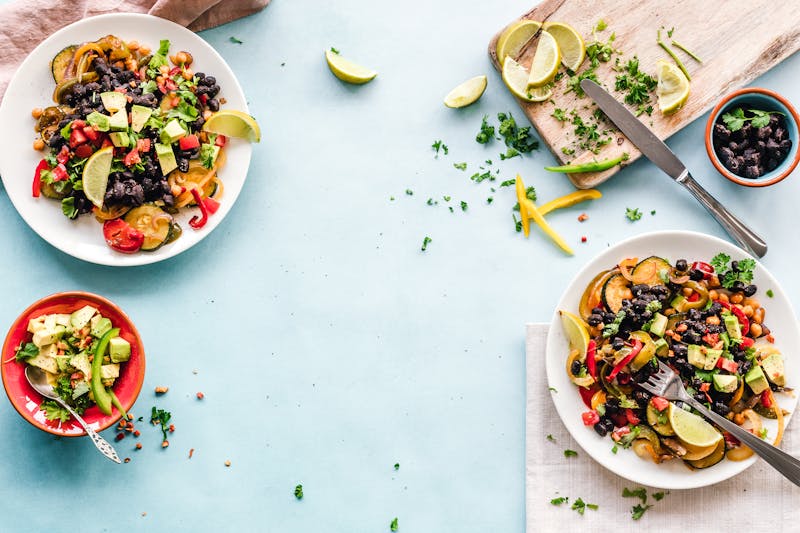
Quick Reference Chart
| Category | Avoid | Safe Alternative |
|---|---|---|
| Fish | Shark, swordfish, king mackerel, tilefish, bigeye tuna | Salmon, shrimp, tilapia, cod, sardines (up to 12 oz/week) |
| Meat | Raw or undercooked meat, pâté, raw sausages | Well-done steak (internal temp 165°F), cooked sausages |
| Deli | Cold deli meats, hot dogs (unless heated to steaming) | Heat deli meats to 165°F before eating |
| Eggs | Raw or undercooked eggs, homemade mayo, raw cookie dough | Fully cooked eggs, pasteurized egg products |
| Dairy | Unpasteurized milk, soft cheeses (brie, camembert, queso fresco) | Pasteurized milk, hard cheeses, pasteurized soft cheeses |
| Drinks | Alcohol (any amount), excess caffeine (>200 mg/day) | Water, herbal tea (check safety), decaf, sparkling water |
| Produce | Unwashed raw sprouts (alfalfa, clover, radish) | Well-washed fruits and vegetables, cooked sprouts |
Fish and Seafood
Fish is an excellent source of omega-3 fatty acids (DHA), protein, and vitamin D — all crucial for baby’s brain and eye development. The FDA and EPA recommend pregnant women eat 8–12 ounces (2–3 servings) of low-mercury fish per week.
High-Mercury Fish to Avoid Completely
Mercury accumulates in large, long-lived predatory fish. According to the FDA and EPA joint advisory, avoid these during pregnancy:
| Fish | Mercury Level | Why It’s Dangerous |
|---|---|---|
| Shark | Very high | Mercury crosses the placenta and damages developing nervous system |
| Swordfish | Very high | Same as above |
| King mackerel | Very high | Same |
| Tilefish (Gulf of Mexico) | Very high | Same |
| Bigeye tuna | High | Higher mercury than other tuna varieties |
| Marlin | Very high | Same |
| Orange roughy | High | Long-lived fish with high mercury accumulation |
Safe Seafood Choices (Best Options)
| Fish | Mercury Level | Omega-3 Content |
|---|---|---|
| Salmon (wild) | Very low | Very high |
| Sardines | Very low | Very high |
| Anchovies | Very low | High |
| Shrimp | Very low | Moderate |
| Tilapia | Very low | Low-moderate |
| Cod | Low | Moderate |
| Canned light tuna | Low | Moderate |
💡 Tip: Canned light tuna is lower in mercury than albacore (white) tuna. Limit albacore to 6 ounces per week. Canned light tuna can be eaten 2–3 times per week according to the FDA.
Raw Seafood
Avoid all raw or undercooked seafood during pregnancy, including:
- Sushi with raw fish (cooked sushi rolls like California rolls are fine)
- Raw oysters, clams, and mussels
- Sashimi
- Ceviche (the acid doesn’t kill all parasites)
- Smoked seafood (like lox) unless it’s cooked into a dish
Meat and Poultry
What to Avoid
- Raw or undercooked meat — risk of Toxoplasma gondii (a parasite that can cause birth defects) and E. coli
- Rare steaks and burgers — ground meat is especially risky because bacteria are distributed throughout
- Pâté and meat spreads (refrigerated) — Listeria risk
- Raw sausages (like some salami) — parasites and bacteria
Safe Temperatures
| Meat | Minimum Internal Temperature |
|---|---|
| Ground beef, pork, lamb | 160°F (71°C) |
| Steaks, roasts, chops | 145°F (63°C) + 3 min rest |
| Poultry (all types) | 165°F (74°C) |
| Hot dogs and deli meat | 165°F (74°C) — heat until steaming |
⚠️ Important: Use a meat thermometer — color alone is not a reliable indicator of doneness. According to the USDA, visual indicators of “done” meat can be wrong up to 25% of the time.
Dairy Products
Unpasteurized Products to Avoid
Unpasteurized (raw) milk and products made from it can contain Listeria monocytogenes — a bacteria particularly dangerous during pregnancy. Listeria infection during pregnancy can cause miscarriage, stillbirth, preterm delivery, or life-threatening infection in newborns.
Avoid:
- Raw (unpasteurized) milk
- Soft cheeses made from unpasteurized milk: brie, camembert, queso fresco, queso blanco, panela, blue cheese, feta (unless labeled “pasteurized”)
- Unpasteurized yogurt
Safe choices:
- All pasteurized dairy products
- Hard cheeses (cheddar, parmesan, Swiss) — safe even from unpasteurized milk because their low moisture content prevents bacterial growth
- Soft cheeses labeled “made with pasteurized milk”
📊 Key Data: According to the CDC, pregnant women are 10 times more likely than the general population to get Listeria infection. About 1 in 6 Listeria cases in the U.S. occurs during pregnancy.
Beverages
Alcohol — Zero Safe Amount
ACOG, the CDC, and the American Academy of Pediatrics agree: there is no known safe amount of alcohol during pregnancy. Alcohol crosses the placenta freely, and the developing fetus metabolizes it much more slowly than you do.
Fetal alcohol spectrum disorders (FASDs) are 100% preventable by avoiding alcohol during pregnancy. Effects can include:
- Growth restrictions
- Facial abnormalities
- Learning and behavioral disorders
- Heart defects
Caffeine — Limit to 200 mg/Day
ACOG recommends limiting caffeine to 200 mg per day during pregnancy. Caffeine crosses the placenta, and the fetus cannot metabolize it efficiently.
| Beverage | Caffeine (approximate) |
|---|---|
| Brewed coffee (8 oz) | 95–200 mg |
| Espresso (1 shot) | 63 mg |
| Black tea (8 oz) | 25–48 mg |
| Green tea (8 oz) | 25–29 mg |
| Cola (12 oz) | 30–40 mg |
| Dark chocolate (1 oz) | 12 mg |
| Decaf coffee (8 oz) | 2–15 mg |
💡 Tip: One standard cup of brewed coffee can use your entire daily caffeine allowance. If you love coffee, consider switching to a half-caf blend or one espresso drink per day. Tea is generally a safer option with lower caffeine content.
Herbal Teas — Check First
Not all herbal teas are safe during pregnancy. Generally considered safe in moderate amounts: ginger, peppermint, rooibos, and chamomile. Avoid: dong quai, ginseng, licorice root, pennyroyal, and blue/black cohosh.
Eggs
Avoid raw or undercooked eggs due to Salmonella risk. This includes:
- Runny eggs (soft-boiled, sunny-side up with runny yolk)
- Homemade mayonnaise, aioli, or hollandaise (use store-bought versions made with pasteurized eggs)
- Raw cookie dough or cake batter
- Homemade eggnog (unless using pasteurized eggs)
- Some homemade ice creams
Safe: Fully cooked eggs (firm yolks), store-bought mayo and dressings (made with pasteurized eggs), pasteurized egg products.
Other Items to Avoid or Limit
Unwashed Produce
Always wash fruits and vegetables thoroughly under running water. Avoid pre-cut fruit from salad bars. Wash even items you plan to peel (cutting through a contaminated rind can push bacteria inside).
Raw Sprouts
Alfalfa, clover, radish, and mung bean sprouts can harbor Salmonella and E. coli in the seeds themselves, making them impossible to wash off. Cook sprouts thoroughly or avoid them entirely.
Excess Vitamin A
Avoid supplements containing more than 10,000 IU of preformed vitamin A (retinol) per day. Excessive vitamin A can cause birth defects. Liver and liver products (like pâté) are very high in vitamin A and should be limited.
FAQ
Can I eat sushi during pregnancy?
You can eat cooked sushi rolls (California roll, tempura roll, cooked shrimp roll). Avoid any roll containing raw fish. Vegetable rolls are also safe. If in doubt, ask the restaurant whether the fish is raw or cooked.
Is it safe to eat at restaurants during pregnancy?
Yes, with precautions. Order meat and eggs well-done, avoid raw fish, ask about cheese types in dishes, and skip anything that’s been sitting at room temperature for extended periods (buffets). Most restaurant food is perfectly safe.
Can I eat honey during pregnancy?
Yes. Honey is safe for pregnant women. The concern about honey and botulism applies only to infants under 12 months — the adult digestive system can handle botulinum spores. However, do not give honey to your baby after birth until they’re at least one year old.
How much fish should I eat during pregnancy?
The FDA and EPA recommend 8–12 ounces (2–3 servings) of low-mercury fish per week during pregnancy. Fish provides DHA omega-3 fatty acids critical for baby’s brain development. The benefits of eating low-mercury fish outweigh the risks of avoiding fish entirely.
💡 Related Resources: After baby arrives, visit our sister site baby.chparenting.com for newborn care, sleep training, feeding guides, and developmental milestones.
References
- U.S. Food & Drug Administration. “Advice About Eating Fish.” fda.gov
- Centers for Disease Control and Prevention. “Listeria and Pregnancy.” cdc.gov
- American College of Obstetricians and Gynecologists. “Nutrition During Pregnancy.” acog.org
- Mayo Clinic. “Pregnancy Nutrition: Foods to Avoid During Pregnancy.” mayoclinic.org
- U.S. Department of Agriculture. “Safe Minimum Internal Temperatures.” usda.gov
- American Academy of Pediatrics. “Fetal Alcohol Spectrum Disorders.” aap.org

Written by
Vega LinFounder & Editor — Mother of 2 (Taiwan)
Vega writes Pregnancy Guide from the intersection of evidence-based research (ACOG, CDC, WHO) and her own experience as a mother of two. Holds a Master's in Digital Innovation from Tunghai University. Read more →
Related articles