Baby Care Guide ↗

Evidence-based. References guidelines from ACOG, CDC, and WHO.
Informational only, not medical advice. Always consult your OB/GYN or healthcare provider.
Pregnancy lasts approximately 40 weeks from your last menstrual period (LMP), divided into three trimesters. Each week brings new changes for both you and your baby — from a single fertilized cell to a fully developed newborn ready to meet the world. According to ACOG, understanding these weekly milestones helps parents make informed decisions and recognize when to seek medical guidance.
📌 Key Takeaway: A full-term pregnancy is 40 weeks (280 days) divided into three trimesters. The first trimester (weeks 1–12) focuses on organ formation, the second (weeks 13–27) on growth and movement, and the third (weeks 28–40) on weight gain and preparing for birth. Use our Week-by-Week Tracker to follow along interactively.

First Trimester: Weeks 1–12
The first trimester is when the foundation of every major organ system is laid. Although your baby is tiny — growing from a single cell to about the size of a plum — the developmental changes are enormous. Most miscarriages occur during this period, which is why early prenatal care is critical.
Weeks 1–4: Conception and Implantation
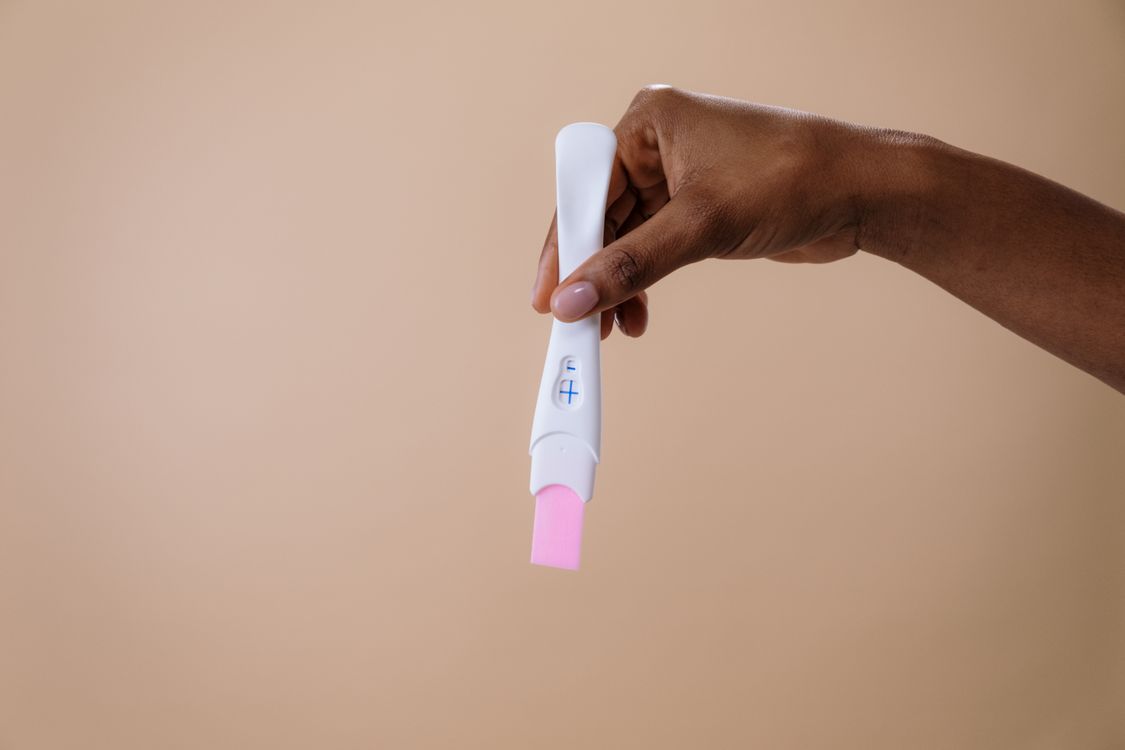
Technically, you’re not pregnant during weeks 1 and 2 — your body is preparing to ovulate. Fertilization typically occurs near the end of week 2 or beginning of week 3. By week 4, the fertilized egg (blastocyst) implants into the uterine wall and begins producing hCG — the hormone detected by pregnancy tests.
What’s happening with baby:
- The neural tube (future brain and spinal cord) begins forming
- The heart starts to develop
- The placenta begins forming to provide nutrients and oxygen
What you might feel:
- Missed period (the first clear sign)
- Light spotting (implantation bleeding, in about 25% of pregnancies)
- Breast tenderness and fatigue
💡 Tip: Start taking a prenatal vitamin with at least 400 mcg of folic acid immediately. The CDC reports that folic acid supplementation reduces the risk of neural tube defects by up to 70%.
Weeks 5–8: Rapid Development
This is when pregnancy starts to feel real. Morning sickness affects up to 80% of pregnant women, according to the American Pregnancy Association, and typically begins around week 6.
| Week | Baby’s Size | Key Development |
|---|---|---|
| Week 5 | Sesame seed (2 mm) | Heart begins beating (~100 bpm) |
| Week 6 | Sweet pea (5 mm) | Facial features forming, arm/leg buds |
| Week 7 | Blueberry (1.3 cm) | Brain growing 100 new cells/minute |
| Week 8 | Raspberry (1.6 cm) | All major organs beginning to form |
Your first prenatal appointment is usually scheduled between weeks 8 and 10. This visit includes blood work, urine tests, blood pressure measurement, and possibly your first ultrasound.
Weeks 9–12: End of First Trimester
By week 12, baby has all major organs formed (though they’ll continue maturing), and the risk of miscarriage drops significantly. According to ACOG, once a heartbeat is confirmed at 8 weeks, the miscarriage risk falls below 5%.
Key milestones:
- Week 10: Baby can swallow amniotic fluid and make tiny movements
- Week 11: Tooth buds and hair follicles form
- Week 12: Reflexes develop — fingers open and close, toes curl
You’ll be offered first-trimester screening options including NIPT (a blood test for chromosomal conditions) and the NT scan (nuchal translucency ultrasound).
Use our Due Date Calculator to find your estimated due date and see which milestone you’re at.

Second Trimester: Weeks 13–27
Often called the “golden trimester,” this is when most women feel their best. Morning sickness typically subsides, energy returns, and you’ll start to visibly show. Baby grows from about 7 cm to 36 cm and begins moving in ways you can feel.
Weeks 13–16: The Energy Returns
As hCG levels stabilize, nausea fades and appetite returns. This is often when parents share the pregnancy news publicly.
| Week | Baby’s Size | Key Development |
|---|---|---|
| Week 13 | Peach (7.4 cm) | Fingerprints forming, vocal cords developing |
| Week 14 | Lemon (8.7 cm) | Facial expressions developing (squinting, frowning) |
| Week 15 | Navel orange (10.1 cm) | Bones hardening, baby can sense light |
| Week 16 | Avocado (11.6 cm) | Baby can hear your heartbeat |
📊 Key Data: According to a 2024 study published in the Journal of Obstetrics & Gynaecology, fetal hearing begins developing as early as 16 weeks, with babies showing measurable responses to sound by week 24.
Weeks 17–20: Movement and the Anatomy Scan
Between weeks 16 and 20, most first-time moms feel their first fetal movements (quickening) — often described as flutters or bubbles.
The 20-week anatomy scan is one of the most important ultrasounds. The sonographer checks baby’s brain, heart, kidneys, spine, limbs, and placenta position. This is also when you can learn baby’s sex, if you choose to.
At week 20, you’re halfway through! Baby is now measured head-to-toe (instead of crown-to-rump) and is about the size of a banana (25 cm).
Weeks 21–27: Rapid Growth
Baby gains weight rapidly in this period and develops important survival skills:
- Week 22: Inner ear develops — baby has a sense of balance
- Week 24: Viability milestone — baby has a chance of survival with intensive NICU care if born prematurely
- Week 24–28: Glucose screening test for gestational diabetes (affects 2–10% of pregnancies per the CDC)
- Week 27: Regular sleep-wake cycles establish; baby can open and close eyes
Common symptoms in the second trimester:
- Baby bump becomes clearly visible
- Backaches and hip pain as your center of gravity shifts
- Braxton Hicks contractions (practice contractions)
- Swelling in feet and ankles
- Possible skin changes (linea nigra, melasma)
⚠️ Important: Contact your healthcare provider if you experience sudden severe swelling (especially in the face and hands), persistent headaches, or vision changes — these could be signs of preeclampsia.

Third Trimester: Weeks 28–40
The final stretch. Baby is gaining about 200 grams per week, and your body is preparing for labor and delivery. Prenatal visits increase to every two weeks and then weekly as you approach your due date.
Weeks 28–32: Third Trimester Begins
Baby’s brain is developing billions of neurons and all five senses are now functioning. This is when you should begin daily kick counting — your healthcare provider will recommend tracking at least 10 movements within 2 hours. Learn the step-by-step method in our how to count baby kicks guide.
Try our Kick Counter to track your baby’s movements easily.
| Week | Baby’s Size | Weight | Key Development |
|---|---|---|---|
| Week 28 | Eggplant (37.6 cm) | ~1 kg | Can blink, has eyelashes |
| Week 30 | Cabbage (39.9 cm) | ~1.3 kg | Can grasp firmly with hands |
| Week 32 | Jicama (42.4 cm) | ~1.7 kg | Toenails visible, practicing breathing |
Important third-trimester tasks:
- Get the Tdap vaccine (recommended between weeks 27–36 to protect newborns from whooping cough)
- Begin packing your hospital bag
- Install and inspect your car seat
- Preregister at the hospital or birth center
Weeks 33–36: Preparing for Birth
Baby’s immune system is developing with antibodies passed from you. Bones harden (except the skull, which stays flexible for delivery). The nesting instinct often kicks in around week 36 — an overwhelming urge to clean, organize, and prepare your home.
Key appointments:
- Week 35–37: Group B Streptococcus (GBS) swab test — about 25% of women test positive, per the CDC. If positive, you’ll receive IV antibiotics during labor.
- Week 36: Prenatal visits become weekly
- Week 36+: Baby may “drop” into the pelvis (lightening), making breathing easier but increasing pelvic pressure
Weeks 37–40: Full Term and Beyond
- Week 37: “Early term” — lungs are usually mature enough for breathing
- Week 39: “Full term” — the ideal time for delivery according to ACOG
- Week 40: Due date week — only about 5% of babies are born on their exact due date
- Week 41–42: “Late term” to “post-term” — your provider will discuss induction options
Signs that labor is approaching:
- Loss of the mucus plug (bloody show)
- Regular contractions that increase in frequency and intensity
- Water breaking (rupture of membranes)
- Lower back pain that doesn’t go away
- Diarrhea or loose stools (body preparing for delivery)
💡 Tip: Use the 5-1-1 rule to know when to go to the hospital: contractions are 5 minutes apart, lasting 1 minute each, for at least 1 hour. Call your provider if your water breaks or you have any concerns.
Complete Pregnancy Timeline Summary
| Trimester | Weeks | Baby’s Growth | Key Milestones |
|---|---|---|---|
| First | 1–12 | 0 → 5.4 cm | Organ formation, heartbeat, first ultrasound |
| Second | 13–27 | 7.4 → 36.6 cm | Movement felt, anatomy scan, viability |
| Third | 28–40 | 37.6 → 51.2 cm | Brain development, lung maturation, birth prep |
Prenatal Visit Schedule
| Stage | Frequency | Typical Tests |
|---|---|---|
| Weeks 4–28 | Every 4 weeks | Blood work, urine, blood pressure, ultrasounds |
| Weeks 28–36 | Every 2 weeks | Glucose screening, Tdap vaccine, kick counting |
| Weeks 36–40+ | Every week | GBS test, cervical checks, non-stress tests |
FAQ
How accurate is a due date?
Due dates are estimates. According to ACOG, only about 5% of babies are born on their exact due date. Most babies arrive within two weeks before or after — the “full term” window is 39 weeks 0 days through 40 weeks 6 days. A first-trimester ultrasound is the most accurate method of dating, with a margin of error of about 5–7 days.
When will I start showing?
Most first-time moms start showing between 12 and 16 weeks. Women who have been pregnant before may show earlier (around 8–10 weeks) because abdominal muscles have been stretched before. Body type, weight, and uterus position also affect when the bump becomes visible.
Is it safe to exercise during pregnancy?
Yes, for most women. ACOG recommends at least 150 minutes of moderate-intensity aerobic activity per week throughout pregnancy. Safe activities include walking, swimming, prenatal yoga, and stationary cycling. Avoid contact sports, activities with a high risk of falling, and hot yoga. Always check with your provider before starting a new exercise routine.
When should I go to the hospital during labor?
Use the 5-1-1 rule: go when contractions are 5 minutes apart, lasting 1 minute each, for at least 1 hour. Go immediately if your water breaks, you have heavy bleeding, or you feel significantly decreased fetal movement. Every hospital and provider may have slightly different guidance, so confirm your specific instructions at a prenatal visit.
💡 Related Resources: After baby arrives, visit our sister site baby.chparenting.com for newborn care, sleep training, feeding guides, and developmental milestones.
References
- American College of Obstetricians and Gynecologists. “How Your Fetus Grows During Pregnancy.” acog.org
- Centers for Disease Control and Prevention (2025). “Folic Acid.” cdc.gov
- Mayo Clinic (2026). “Fetal Development: Month-by-Month Stages.” mayoclinic.org
- World Health Organization. “Pregnancy Care Guidelines.” who.int
- March of Dimes. “Prenatal Care.” marchofdimes.org
- American Pregnancy Association. “Pregnancy Week by Week.” americanpregnancy.org

Written by
Vega LinFounder & Editor — Mother of 2 (Taiwan)
Vega writes Pregnancy Guide from the intersection of evidence-based research (ACOG, CDC, WHO) and her own experience as a mother of two. Holds a Master's in Digital Innovation from Tunghai University. Read more →
Related articles