Baby Care Guide ↗
Evidence-based. References guidelines from ACOG, CDC, and WHO.
Informational only, not medical advice. Always consult your OB/GYN or healthcare provider.
Everyone talks about the pregnancy “glow.” No one mentions the pregnancy breakout. About 50% of pregnant people experience acne, especially in the first trimester. The cruel twist: many of the most effective acne treatments — retinoids, salicylic acid, certain antibiotics — are off-limits during pregnancy.
The good news: there are plenty of safe, effective options that won’t put your baby at risk. Here’s a complete derm-and-OB-aligned guide to managing pregnancy acne.
📌 Key Takeaway: According to March of Dimes data, about 10% of US babies are born preterm (before 37 weeks), making week-by-week monitoring important. This guide gives you evidence-based, practical guidance you can apply today. For a related deep dive, see our guide on foods to avoid during pregnancy.
Why Pregnancy Causes Acne
Pregnancy hormones are the main driver:
1. Androgen Surge
Early pregnancy brings rising androgens, which stimulate the sebaceous glands to produce more oil. More oil + clogged pores + bacteria = breakouts.
2. Progesterone
Increases sebum production and can also trigger inflammation.
3. Increased Blood Volume and Flow
Skin is more reactive; some people get the “glow,” others get more breakouts.
4. Stress
Pregnancy stress hormones (cortisol) trigger and worsen acne.
5. Stopping Pre-Pregnancy Treatments
Many people stop oral contraceptives, isotretinoin, or topical retinoids when trying to conceive — and acne returns with a vengeance.
When Does Pregnancy Acne Start and Stop?
| Trimester | Frequency | Why |
|---|---|---|
| First (1–13 weeks) | Peak | Highest androgen surge |
| Second (14–27 weeks) | Improves for many | Hormones stabilize |
| Third (28–40 weeks) | Variable | Some flare again |
| Postpartum | Often improves quickly | Hormones drop |
For some lucky few, pregnancy actually clears their skin. For others, it’s the worst breakouts of their life.
Safe Pregnancy Acne Treatments
Always confirm with your OB and dermatologist. These are generally considered safe in pregnancy.
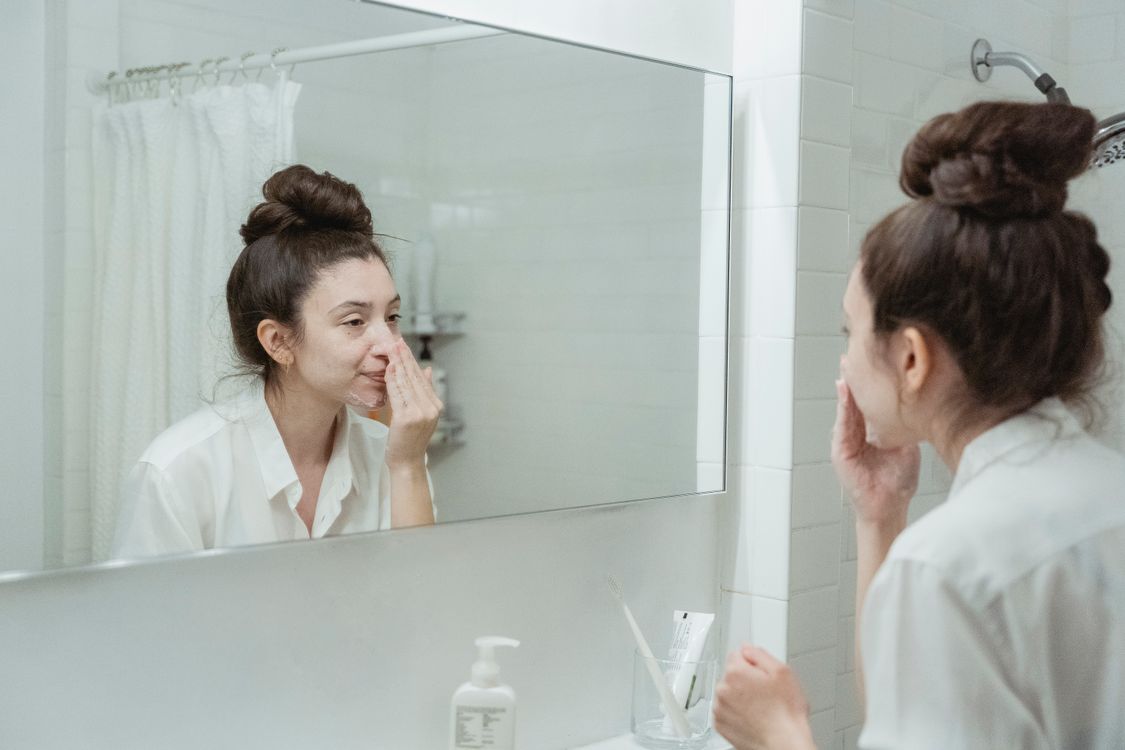
1. Gentle Cleansing
- Wash twice daily with a gentle, fragrance-free cleanser
- Avoid harsh scrubs or stripping foam cleansers
- Lukewarm — not hot — water
2. Azelaic Acid
A first-line safe option for pregnancy acne. It reduces inflammation, kills bacteria, and helps with hyperpigmentation. Available OTC (10%) or prescription (15–20%).
3. Glycolic Acid (in low concentrations)
Low-concentration glycolic acid (under 10%) is generally considered safe. It exfoliates and unclogs pores.
4. Topical Erythromycin or Clindamycin
Prescription topical antibiotics are generally considered safe and effective for inflammatory acne.
5. Benzoyl Peroxide (with caution)
Generally considered low-risk in small areas (face only) at low concentrations (under 5%). Discuss with your OB before using.
6. Sulfur (low concentration)
Often included in spot treatments. Generally considered safe in low amounts.
7. Sunscreen
Pregnancy increases melasma risk. Use a mineral SPF 30+ (zinc oxide, titanium dioxide) daily. Look for “non-comedogenic.”
8. Niacinamide
Anti-inflammatory and oil-regulating. Widely considered safe and helpful for sensitive pregnancy skin.
What to Avoid
These are generally NOT recommended in pregnancy:
- Oral isotretinoin (Accutane) — strict contraindication; causes severe birth defects
- Topical retinoids (tretinoin, adapalene, tazarotene) — generally avoided
- Salicylic acid in high concentrations — small amounts (<2%) on small areas may be OK; oral salicylates are not
- Tetracycline-class antibiotics (doxycycline, minocycline) — avoided after first trimester especially
- Hydroquinone — generally avoided
- Hormonal acne treatments (spironolactone, oral contraceptives) — not safe in pregnancy
For a fuller list of safe-in-pregnancy meds, see our pregnancy-safe medications guide.
A Sample Pregnancy-Safe Skincare Routine
Morning
- Gentle cleanser
- Niacinamide serum (optional)
- Lightweight, non-comedogenic moisturizer
- Mineral sunscreen (SPF 30+)
Evening
- Gentle cleanser (or double cleanse if wearing makeup/sunscreen)
- Azelaic acid (10–20%) on affected areas
- Spot treatment with benzoyl peroxide (2.5–5%) on active pimples (OB-approved)
- Light moisturizer
1–2x per Week
Low-concentration glycolic acid pad or toner (skip if sensitive).
Lifestyle Habits That Help
- Don’t pick or pop — leads to scarring and post-inflammatory hyperpigmentation
- Change pillowcases every 3–4 days
- Clean phone screen daily
- Wash makeup brushes weekly
- Hydrate (your skin reflects internal hydration)
- Eat balanced meals — limit refined sugar and dairy if those trigger you
- Manage stress — yoga, walking, mindfulness
- Sleep as much as you can (we know — easier said)
When to See a Dermatologist
- Acne is severe (cystic, painful, leaving scars)
- Over-the-counter options aren’t working after 6–8 weeks
- You’re experiencing significant distress or self-image issues
- You’re unsure what’s safe — a pregnancy-aware derm can build a tailored plan
A dermatologist can prescribe pregnancy-safe topicals at higher strengths and rule out conditions that mimic acne (perioral dermatitis, rosacea, fungal acne).
Postpartum: What to Expect
Many people see their skin clear within 2–3 months postpartum as hormones rebalance. Breastfeeding can prolong some hormonal effects. Once you’ve finished breastfeeding, you can slowly reintroduce stronger treatments — discuss with your OB and derm when the time is right.
Frequently Asked Questions
Why did my acne get worse in pregnancy?
Rising androgens stimulate oil production. Stopping previous acne treatments also contributes. The first trimester typically has the biggest flares; many improve by the second.
Can I use my regular acne products?
It depends. Benzoyl peroxide and very low-dose salicylic acid may be OK in small amounts. Retinoids (tretinoin, adapalene, retinol) and high-strength salicylic acid are not. Always check with your OB before continuing pre-pregnancy products.
Is salicylic acid really off-limits?
High concentrations and oral forms are. Small amounts (under 2%) used on small skin areas are generally considered low-risk, but some experts prefer azelaic acid or glycolic acid as alternatives. Discuss with your OB.
Can pregnancy acne cause scarring?
Cystic or picked acne can scar. Don’t squeeze or pick. If acne is severe, see a dermatologist — early intervention prevents scars.
Will pregnancy acne come back postpartum?
Maybe. Hormone fluctuations during postpartum and breastfeeding can keep skin reactive. Many people clear up within a few months, especially after weaning.
💡 Related Resources: After baby arrives, visit our sister site baby.chparenting.com for newborn care, sleep training, feeding guides, and developmental milestones.
References
- American Academy of Dermatology — Acne in Pregnancy
- ACOG — Skin Conditions During Pregnancy
- Mayo Clinic — Pregnancy Acne
- NIH MedlinePlus — Acne
- CDC — Pregnancy Health
Medical Disclaimer: Educational content only. Always confirm with your OB/GYN and a board-certified dermatologist before using any new product or medication during pregnancy.

Written by
Vega LinFounder & Editor — Mother of 2 (Taiwan)
Vega writes Pregnancy Guide from the intersection of evidence-based research (ACOG, CDC, WHO) and her own experience as a mother of two. Holds a Master's in Digital Innovation from Tunghai University. Read more →
Related articles