Baby Care Guide ↗
Evidence-based. References guidelines from ACOG, CDC, and WHO.
Informational only, not medical advice. Always consult your OB/GYN or healthcare provider.
The second trimester is the sweet spot for pregnancy fitness. Morning sickness has faded, energy is back, and your belly isn’t yet large enough to limit movement. ACOG recommends at least 150 minutes of moderate-intensity aerobic activity per week throughout pregnancy — and the benefits are significant: lower risk of gestational diabetes, reduced back pain, better sleep, shorter labor, and faster postpartum recovery.
📌 Key Takeaway: ACOG recommends 150 minutes of moderate exercise per week during pregnancy. The second trimester (weeks 13–27) is the ideal time to build a routine. Safe choices include walking, swimming, prenatal yoga, and modified strength training. After week 20, avoid exercises lying flat on your back for extended periods. For more on safe positions as your belly grows, see our sleeping positions during pregnancy guide.
The 12 Best Exercises for the Second Trimester
1. Walking
The simplest, most accessible exercise throughout all of pregnancy. No equipment, no gym membership, adjustable intensity.
Benefits: Cardiovascular fitness, mood boost, aids digestion, prevents constipation How much: 30 minutes daily, or three 10-minute walks Tip: Wear supportive shoes and stay hydrated. Avoid extreme heat.
2. Swimming and Water Aerobics
Water supports your body weight, relieving pressure on joints and reducing swelling. Many women say the pool is the one place they feel “weightless” during pregnancy.
Benefits: Full-body workout, reduces swelling, no joint impact, naturally cool How much: 30–45 minutes, 2–3 times per week Tip: Avoid diving, water slides, and hot tubs (overheating risk). Pool temperature should be below 90°F (32°C).
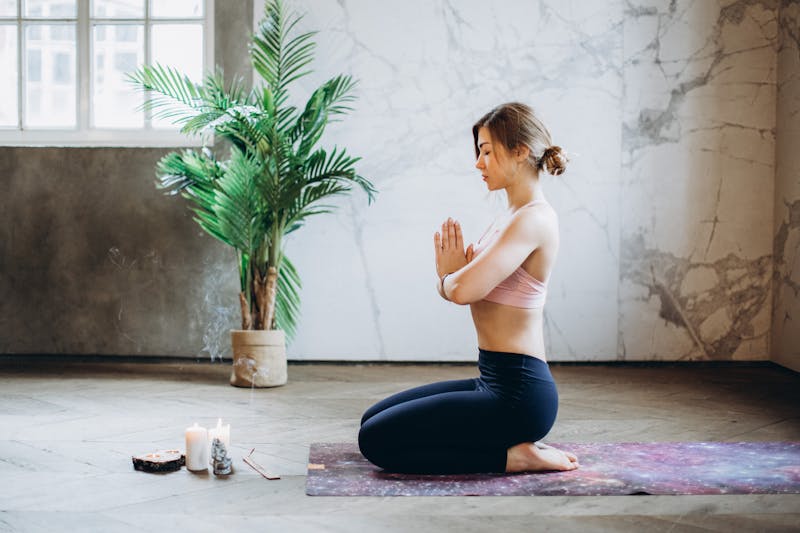
3. Prenatal Yoga
Builds flexibility, reduces stress, and teaches breathing techniques useful during labor. Look for classes specifically labeled “prenatal.”
Benefits: Stress reduction, flexibility, pelvic floor awareness, labor preparation How much: 30–60 minutes, 2–3 times per week Tip: Avoid hot yoga, deep twists, lying flat on your back (after week 20), and poses that compress the belly.
4. Stationary Cycling
Lower fall risk than outdoor cycling. Adjustable resistance keeps it at a comfortable intensity.
Benefits: Cardiovascular fitness, leg strength, low impact on joints How much: 20–30 minutes, 3 times per week Tip: Adjust the seat height as your belly grows. Keep intensity moderate — you should be able to talk while cycling.
5. Modified Strength Training
Maintaining muscle tone supports your changing body and prepares you for labor and postpartum recovery.
Benefits: Maintains muscle mass, supports back and posture, prepares for carrying a newborn How much: 2–3 sessions per week, 20–30 minutes Modifications needed:
| Exercise | Modification After Week 20 |
|---|---|
| Squats | Use a wider stance; hold onto a chair for balance |
| Lunges | Shorter range of motion; hold a wall for stability |
| Deadlifts | Switch to sumo stance; use lighter weights |
| Bench press | Use an incline bench instead of lying flat |
| Planks | Switch to incline planks or wall planks |
| Crunches | Replace with bird-dogs or standing core work |
⚠️ Important: Avoid lying flat on your back for extended periods after week 20. The weight of the uterus can compress the inferior vena cava, reducing blood flow. Use an incline bench or perform exercises standing, seated, or on all fours.
6. Pelvic Floor Exercises (Kegels)
Strengthening the pelvic floor helps prevent incontinence, supports the uterus, and may aid recovery after delivery.
How to do a Kegel: Squeeze the muscles you’d use to stop urinating midstream. Hold for 5 seconds, release for 5 seconds. Repeat 10 times, 3 sets per day.
Benefits: Prevents stress incontinence, supports pelvic organs, may shorten pushing stage of labor Tip: You can do Kegels anywhere — sitting at your desk, waiting in line, or watching TV.
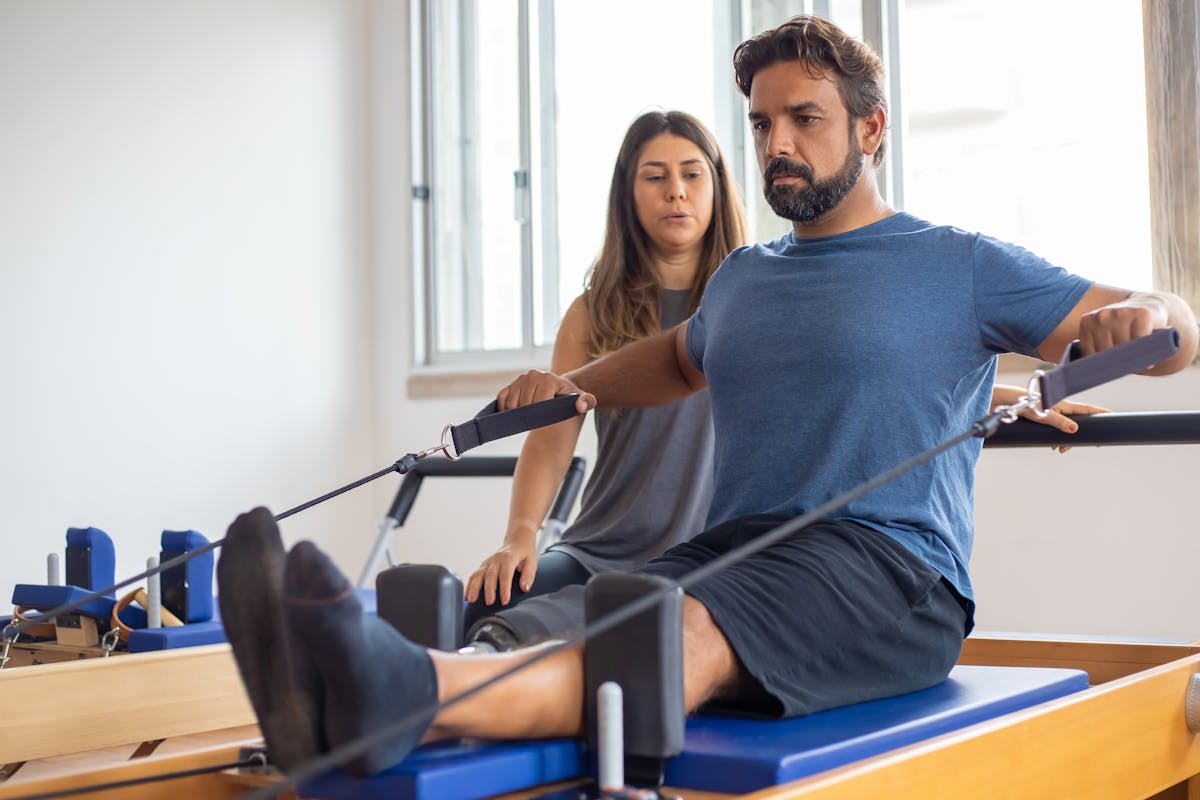
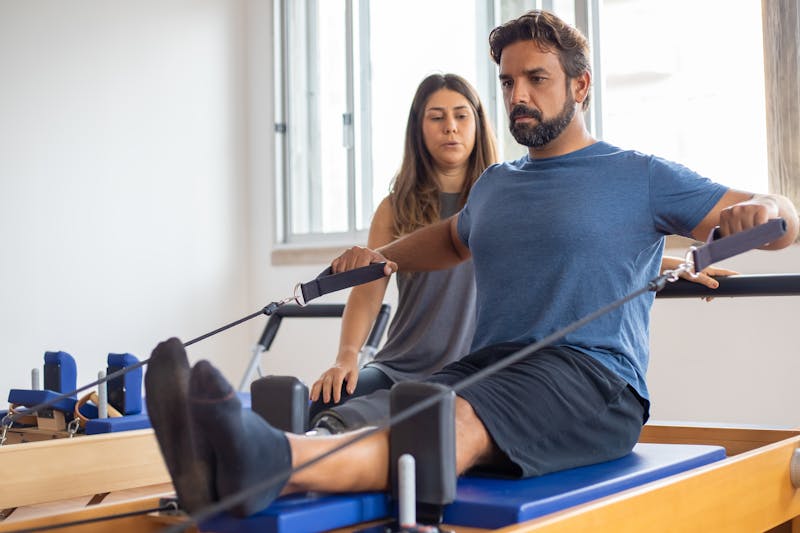
7. Prenatal Pilates
Similar to yoga but with more focus on core stability and posture — both crucial as your belly grows and your center of gravity shifts.
Benefits: Core stability (without crunches), posture improvement, back pain relief How much: 30–45 minutes, 2 times per week Tip: Choose prenatal-specific classes. Avoid traditional Pilates moves that involve lying flat on your back or deep abdominal compression.
8. Low-Impact Aerobics
Aerobics classes designed for pregnancy keep your heart rate up without jarring movements.
Benefits: Cardiovascular health, endurance, social motivation How much: 30 minutes, 2–3 times per week Tip: Look for prenatal-specific classes or modify regular classes by keeping one foot on the ground at all times.
9. Stretching and Flexibility Work
Gentle stretching relieves the aches and tightness that come with a growing belly.
Key stretches for the second trimester:
- Hip flexor stretch (kneeling lunge)
- Cat-cow (on all fours — great for back pain)
- Side body stretch (standing, arm overhead)
- Calf stretches (especially if you get leg cramps)
- Chest opener (doorway stretch)
How much: 10–15 minutes daily Tip: Hold each stretch for 20–30 seconds. Don’t bounce. Pregnancy hormones (relaxin) loosen ligaments, so avoid overstretching.
10. Dancing
Fun, social, and effective cardio. Put on your favorite music and move.
Benefits: Mood boost, cardiovascular fitness, stress relief Tip: Avoid jumps, spins, and sudden direction changes. Keep movements smooth and controlled.
11. Elliptical Machine
Low-impact alternative to running that’s gentler on the joints.
Benefits: Cardio workout, adjustable intensity, minimal joint stress How much: 20–30 minutes, 3 times per week Tip: Use the handles for balance as your center of gravity shifts.
12. Bodyweight Exercises
No equipment needed — perfect for home workouts.
Safe bodyweight routine:
- Wall push-ups: 3 × 10
- Squats to chair: 3 × 12
- Standing calf raises: 3 × 15
- Bird-dog (on all fours): 3 × 8 each side
- Side-lying leg lifts: 3 × 12 each side
- Standing pelvic tilts: 3 × 10
Exercises to Avoid
| Exercise | Why It’s Risky |
|---|---|
| Contact sports (soccer, basketball, martial arts) | Risk of abdominal trauma |
| Skiing, horseback riding, gymnastics | High fall risk |
| Scuba diving | Decompression can harm baby |
| Hot yoga / hot Pilates | Overheating risk (core temp above 102°F is dangerous) |
| Heavy lifting (maximal effort) | Excessive strain on joints and pelvic floor |
| Running (if you didn’t run before pregnancy) | Not the time to start; existing runners can continue with modifications |
| Exercises lying flat on back (after week 20) | Compresses inferior vena cava, reducing blood flow |
| High-altitude exercise (above 6,000 ft) | Reduced oxygen if not acclimatized |
When to Stop Exercising and Call Your Provider
Stop immediately and seek medical advice if you experience:
- Vaginal bleeding
- Regular, painful contractions
- Fluid leaking from the vagina
- Chest pain or racing heart that doesn’t settle
- Dizziness or feeling faint
- Severe headache
- Calf pain or swelling (possible blood clot)
- Shortness of breath before starting exercise
💡 Tip: Use the “talk test” to gauge intensity: you should be able to hold a conversation while exercising. If you’re too breathless to talk, slow down.
Exercise Intensity Guide
| Intensity | Heart Rate (approx.) | Description | Example |
|---|---|---|---|
| Light | < 120 bpm | Easy, barely breaking a sweat | Gentle walk, stretching |
| Moderate (target) | 120–150 bpm | Breathing harder but can talk | Brisk walk, swimming, yoga |
| Vigorous (use caution) | 150–170 bpm | Can speak short sentences only | Jogging, intense cycling |
| Too intense (stop) | > 170 bpm | Can’t talk, gasping | Sprint, heavy lifting |
📊 Key Data: A 2019 meta-analysis in the British Journal of Sports Medicine analyzing 2,059 pregnant women found that regular exercise reduced the risk of gestational diabetes by 38%, preeclampsia by 41%, and cesarean delivery by 11%. Women who exercised also reported significantly less back pain and depression.
FAQ
Can I start exercising in the second trimester if I wasn’t active before?
Yes, but start gradually. Begin with 10–15 minutes of walking or swimming and slowly increase to 30 minutes over 2–3 weeks. The second trimester is actually a great time to start because morning sickness has passed and energy has returned. Always get your provider’s approval first.
How do I know if I’m exercising too hard?
Use the talk test: if you can carry on a conversation while exercising, you’re at a safe intensity. Also watch for warning signs like dizziness, chest pain, or contractions. Your body will tell you when to slow down — listen to it.
Is it safe to lift weights during pregnancy?
Yes, with modifications. Use lighter weights with more repetitions. Avoid maximal lifts, holding your breath (Valsalva maneuver), and exercises lying flat on your back after week 20. Focus on maintaining strength rather than building it.
Can exercise cause miscarriage?
No. Multiple large studies confirm that moderate exercise does not increase miscarriage risk. ACOG specifically states that exercise is safe for women with uncomplicated pregnancies. The only exceptions are high-risk conditions your provider will identify.
💡 Related Resources: After baby arrives, visit our sister site baby.chparenting.com for newborn care, sleep training, feeding guides, and developmental milestones.
References
- American College of Obstetricians and Gynecologists. “Exercise During Pregnancy.” acog.org
- Mayo Clinic. “Pregnancy and Exercise.” mayoclinic.org
- American Pregnancy Association. “Exercise During Pregnancy.” americanpregnancy.org

Written by
Vega LinFounder & Editor — Mother of 2 (Taiwan)
Vega writes Pregnancy Guide from the intersection of evidence-based research (ACOG, CDC, WHO) and her own experience as a mother of two. Holds a Master's in Digital Innovation from Tunghai University. Read more →
Related articles