Baby Care Guide ↗
Evidence-based. References guidelines from ACOG, CDC, and WHO.
Informational only, not medical advice. Always consult your OB/GYN or healthcare provider.
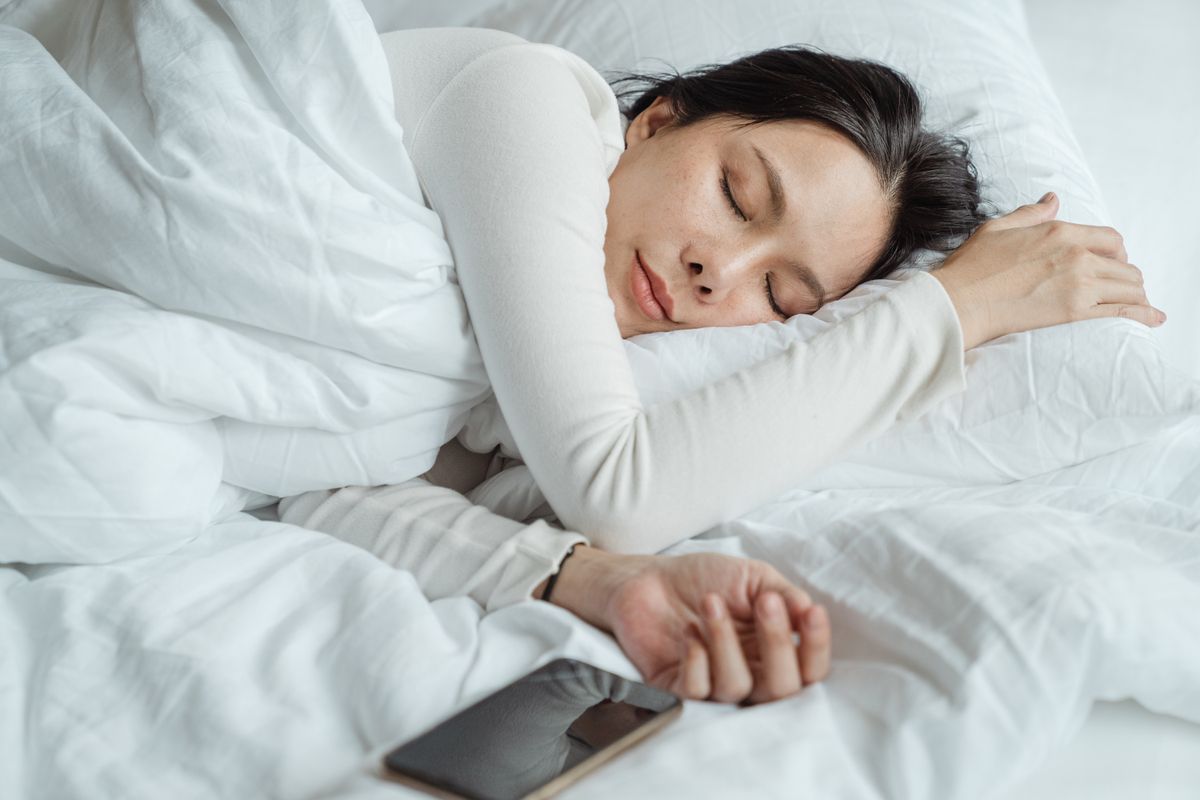
Sleep becomes one of the biggest daily challenges during pregnancy. Between a growing belly, aching hips, frequent bathroom trips, and hormonal changes, getting a full night of rest can feel impossible. Yet sleep is critical for both your health and your baby’s development — poor sleep during pregnancy is linked to longer labor, higher rates of cesarean delivery, and increased risk of preeclampsia, according to research published in the journal Sleep Medicine Reviews. The good news: the right sleeping position and a few practical adjustments can dramatically improve your sleep quality at every stage of pregnancy. For other ways to stay comfortable, explore our pregnancy symptoms week by week guide and second trimester exercises.
📌 Key Takeaway: Left-side sleeping (SOS — “sleep on side”) is the safest and most recommended position after week 20 of pregnancy. It maximizes blood flow to your baby, kidneys, and uterus. A pregnancy pillow and consistent sleep hygiene routine can significantly reduce insomnia and discomfort throughout all three trimesters.
Why Sleep Position Matters During Pregnancy
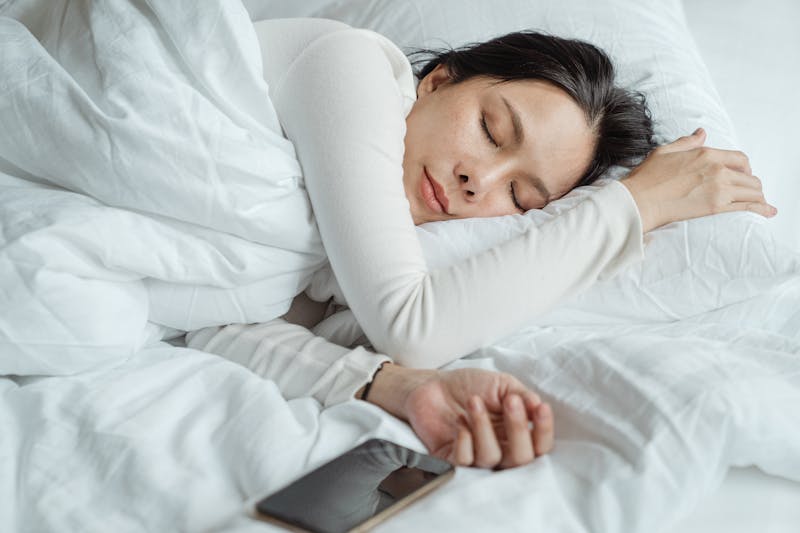
As your uterus grows, it becomes heavy enough to compress major blood vessels when you lie in certain positions. The inferior vena cava (IVC) — the large vein that returns blood from your lower body to your heart — runs along the right side of your spine. When you lie flat on your back, the weight of the uterus presses on this vein, which can reduce blood flow to both you and your baby.
ACOG and multiple international studies recommend side sleeping after the first trimester, with a preference for the left side. A 2019 study in The Lancet EClinicalMedicine analyzing over 800 pregnancies found that going to sleep on your back after 28 weeks was associated with a 2.6-fold increase in stillbirth risk compared to side sleeping. This does not mean that briefly rolling onto your back during the night is dangerous — it means your starting sleep position matters most.
⚠️ Important: If you wake up on your back, don’t panic. Simply roll to your side and go back to sleep. The stillbirth risk is associated with the position you fall asleep in, not brief moments during the night. Your body will usually wake you before any harm occurs.
Best Sleeping Positions by Trimester
| Trimester | Weeks | Recommended Position | Notes |
|---|---|---|---|
| First | 1–12 | Any position is safe | Sleep however you’re comfortable. Enjoy back and stomach sleeping while you can. |
| Second | 13–27 | Side sleeping preferred | Begin transitioning to side sleeping. After week 20, avoid prolonged back sleeping. |
| Third | 28–40 | Left side strongly recommended | Left side optimizes blood flow. Use pillows for support. Avoid back sleeping entirely. |
First Trimester (Weeks 1–12)
During the first trimester, your uterus is still small enough that sleeping position is not a medical concern. You can sleep on your back, stomach, or either side without restriction. However, this is an excellent time to start practicing side sleeping so it feels natural later.
Many women in the first trimester struggle with sleep due to nausea, breast tenderness, and the frequent urge to urinate — not position discomfort. Elevating your head slightly can help with nausea, and limiting fluids 2 hours before bed reduces nighttime bathroom trips.
Second Trimester (Weeks 13–27)
By the second trimester, your belly is growing noticeably and stomach sleeping becomes uncomfortable or impossible. ACOG recommends transitioning to side sleeping during this period, particularly after week 20 when the uterus is heavy enough to compress the IVC during back sleeping.
💡 Tip: Place a pillow between your knees when side sleeping. This keeps your hips aligned, reduces lower back strain, and prevents your top leg from pulling your spine out of alignment. Many women report this single change eliminates hip pain.
Third Trimester (Weeks 28–40)
Left-side sleeping is strongly recommended throughout the third trimester. In this position, your uterus naturally shifts away from the IVC, and your liver (which is on the right side) is uncompressed. Blood flow to the placenta is maximized.
Use our Week-by-Week Tracker to follow your baby’s development alongside these sleep recommendations, and check your Due Date Calculator to know exactly which trimester guidance applies to you.
Why Left Side Is Recommended (ACOG Guidelines)
The left lateral position provides several physiological advantages during pregnancy:
- Maximizes placental blood flow: The aorta (which delivers blood to the placenta) branches slightly to the left, so left-side sleeping allows unobstructed flow.
- Reduces kidney pressure: The left side allows the kidneys to filter waste and fluids more efficiently, reducing swelling in your feet and ankles.
- Prevents IVC compression: The inferior vena cava runs along the right side of the spine. Left-side sleeping keeps your uterus off this vessel.
- Improves nutrient delivery: Better circulation means more oxygen and nutrients reach your baby.
📊 Key Data: A meta-analysis published in EClinicalMedicine (2019) pooling data from 851 stillbirths and 2,257 controls across four countries found that non-left-side sleep position at the time of falling asleep was associated with a 2.31 times higher risk of late stillbirth. Left-side sleeping was the most protective position identified.
That said, right-side sleeping is also considered safe and far superior to back sleeping. If you can’t stay on your left side all night, alternating between left and right is perfectly fine. The key guideline is to avoid falling asleep flat on your back after week 20.
Pregnancy Pillow Types: A Comparison
Pregnancy pillows can be transformative for sleep quality. Here is a comparison of the most common types:
| Pillow Type | Shape | Best For | Pros | Cons |
|---|---|---|---|---|
| C-shaped | Curved like a C | Head, belly, and knee support simultaneously | Supports multiple areas; good for side sleepers | Takes up significant bed space |
| U-shaped | Full body wrap | Full-body support on both sides | No need to reposition when turning; supports back and front | Very large; may crowd your partner |
| Wedge | Small triangle | Targeted belly or back support | Compact; affordable; travel-friendly | Only supports one area at a time |
| Full-length body pillow | Long straight pillow | Side sleepers who want something to hug | Simple; affordable; easy to find | No back support; may not stay in place |
| Adjustable/modular | Multiple pieces | Customizable support | Arrange pieces however you need; versatile | More expensive; multiple pieces to manage |
💡 Tip: If you’re not ready to invest in a pregnancy pillow, start with a regular pillow between your knees and a rolled-up towel under your belly. Many women find this budget-friendly setup works surprisingly well through the second trimester.

When Back Sleeping Becomes Risky (Week 20+)
The transition away from back sleeping should happen around week 20. At this point, the uterus is large enough to press on the inferior vena cava when you lie supine. This compression can cause:
- Supine hypotensive syndrome: Dizziness, nausea, and shortness of breath from reduced blood return to the heart.
- Reduced placental perfusion: Less blood reaching the placenta means less oxygen and nutrients for your baby.
- Lower cardiac output: Your heart pumps less blood per beat, which affects both of you.
Some women notice symptoms immediately — feeling lightheaded or queasy within minutes of lying on their backs. Others feel nothing but may still experience reduced blood flow. This is why the recommendation is universal after week 20, regardless of whether you feel symptoms.
Practical strategies to avoid rolling onto your back at night:
- Place a firm pillow or rolled towel behind your back.
- Use a U-shaped pregnancy pillow that physically prevents back rolling.
- Slightly elevate one side of your mattress with a folded blanket underneath.
- Sew or pin a tennis ball to the back of your sleep shirt (an old anti-snoring trick that works for pregnancy too).
Tackling Pregnancy Insomnia
Up to 78% of pregnant women experience insomnia at some point, according to the Sleep Foundation. Common causes include hormonal shifts, physical discomfort, anxiety about labor, restless legs syndrome, and frequent urination. Here are evidence-based strategies:
Sleep Hygiene Tips
- Consistent schedule: Go to bed and wake up at the same time daily — even on weekends. This regulates your circadian rhythm.
- Cool bedroom: Keep the room between 65–68°F (18–20°C). Pregnant women often run warm due to increased blood volume.
- Screen-free wind-down: Stop screens 60 minutes before bed. Blue light suppresses melatonin production.
- Warm bath before bed: A 15-minute warm (not hot) bath 90 minutes before bed promotes drowsiness as your body temperature drops afterward.
- Limit fluids after 7 PM: Reduce nighttime bathroom trips without becoming dehydrated during the day.
Managing Common Sleep Disruptors
| Sleep Disruptor | When It Peaks | Solution |
|---|---|---|
| Frequent urination | First & third trimester | Limit evening fluids; lean forward while urinating to fully empty bladder |
| Heartburn / acid reflux | Second & third trimester | Eat dinner 3 hours before bed; elevate head 6 inches; avoid spicy/acidic foods |
| Restless legs syndrome | Third trimester | Iron and folate supplementation (ask your provider); stretching before bed; warm compress |
| Hip and back pain | Second & third trimester | Pillow between knees; supportive mattress; prenatal stretching routine |
| Anxiety and racing thoughts | All trimesters | Journaling before bed; prenatal meditation apps; discuss concerns with provider |
| Leg cramps | Second & third trimester | Stay hydrated; stretch calves before bed; ensure adequate magnesium intake |
⚠️ Important: Avoid over-the-counter sleep aids during pregnancy unless your healthcare provider specifically approves them. Melatonin supplements are not well-studied in pregnancy, and antihistamine-based sleep aids (like diphenhydramine) should only be used under medical guidance.
Creating Your Ideal Sleep Environment
Beyond position and pillows, your sleep environment plays a major role:
- Mattress firmness: Medium-firm mattresses tend to provide the best support during pregnancy. If your mattress is too soft, place a board underneath or consider a mattress topper.
- Room darkness: Use blackout curtains. Even small amounts of light can disrupt melatonin production.
- White noise: A fan or white noise machine masks household sounds and can become a powerful sleep association.
- Comfortable sleepwear: Choose breathable, cotton fabrics. Avoid anything tight around your belly.
FAQ
Is it safe to sleep on my right side during pregnancy?
Yes. While left-side sleeping is the most commonly recommended position because it optimizes blood flow to the placenta, right-side sleeping is also safe. The important guideline from ACOG is to avoid sleeping flat on your back after week 20. If you alternate between left and right sides throughout the night, that is perfectly acceptable.
What if I keep waking up on my back?
Don’t worry — this happens to almost everyone occasionally. Simply roll to your side when you notice. Your body typically wakes you before any significant blood flow reduction occurs. To help stay on your side, use a pregnancy pillow behind your back or a U-shaped pillow that creates a physical barrier. Some women also find that slightly elevating the head of the bed reduces the tendency to roll flat.
When should I start using a pregnancy pillow?
Most women find a pregnancy pillow helpful starting around weeks 18–20 of the second trimester, when the belly becomes large enough to pull on the spine during side sleeping. However, there is no wrong time to start — some women begin using one in the first trimester for general comfort, while others manage without one until the third trimester. Try a regular pillow between your knees first to see if that provides enough support.
Can pregnancy insomnia harm my baby?
Occasional sleepless nights will not harm your baby. However, chronic severe insomnia (consistently fewer than 5–6 hours per night for weeks) has been linked to higher rates of preeclampsia, gestational diabetes, and preterm birth in research published by the American Journal of Obstetrics and Gynecology. If you are regularly unable to sleep, speak with your healthcare provider. Cognitive behavioral therapy for insomnia (CBT-I) is considered safe and effective during pregnancy.
💡 Related Resources: After baby arrives, visit our sister site baby.chparenting.com for newborn care, sleep training, feeding guides, and developmental milestones.
References
- American College of Obstetricians and Gynecologists. “Sleeping Positions During Pregnancy.” acog.org
- Heazell, A.E.P. et al. (2019). “Association between maternal sleep practices and late stillbirth.” EClinicalMedicine. thelancet.com
- Sleep Foundation. “Pregnancy and Sleep.” sleepfoundation.org
- Mayo Clinic. “Sleeping Positions During Pregnancy.” mayoclinic.org
- Mindell, J.A. et al. (2015). “Sleep Disturbances During Pregnancy.” Journal of Obstetric, Gynecologic & Neonatal Nursing. jognn.org

Written by
Vega LinFounder & Editor — Mother of 2 (Taiwan)
Vega writes Pregnancy Guide from the intersection of evidence-based research (ACOG, CDC, WHO) and her own experience as a mother of two. Holds a Master's in Digital Innovation from Tunghai University. Read more →
Related articles